📅 18 March 2026
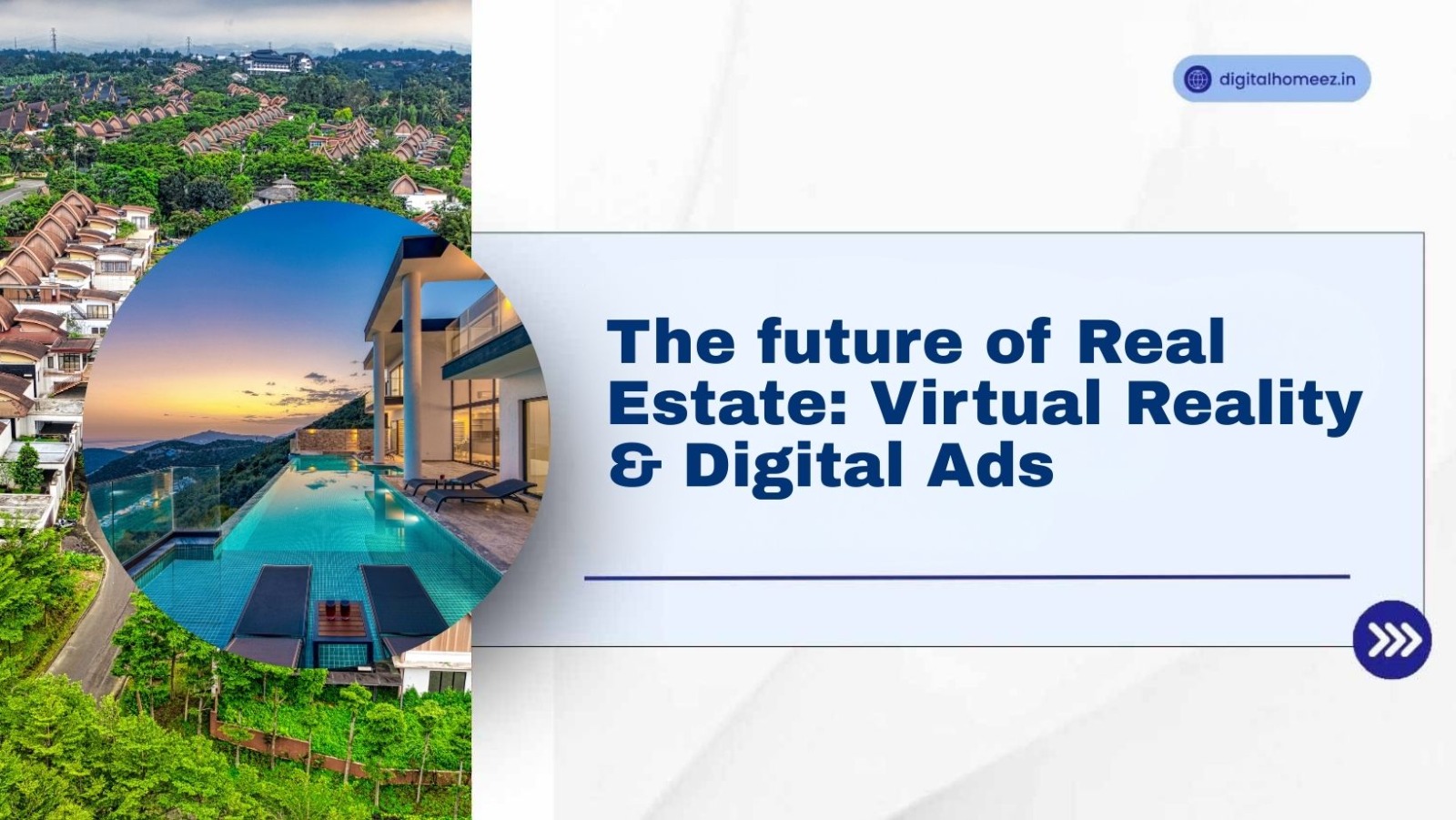
The future of Real Estate: Virtual Reality & Digital Ads
The real estate industry is currently experiencing its fastest period of development. Buyers no longer need to visit several physical properties before making their purchase decision. The property marketing and selling process is currently undergoing transformation through technological advancements. The property market now experiences a complete transformation through the combination of virtual walkthroughs and focused online advertising which brings together innovative solutions with marketing strategies.
The real estate sector experiences its most significant transformation through two main developments which include virtual reality and digital advertising. These technologies enable developers and agents and buyers to discover new approaches for property exploration.
Virtual Reality Is Leading to New Methods for Property Viewing
The development of VR property tours and 3D virtual tours for real estate use represents one of the most important discoveries in the field. Buyers now can experience properties through advanced technology which goes beyond traditional photo and video methods. Potential buyers can use VR property marketing technology to explore properties from their home environment. The system enables users to move through spaces while assessing room designs and experiencing actual space dimensions before visiting a location.
Benefits of Real Estate Virtual Tours
The application of real estate virtual tours has multiple key advantages. The first advantage of real estate virtual tours allows buyers to examine different properties from home. Interactive 3D virtual tours for real estate create better visitor retention than traditional image displays. Virtual property tours enable agents to work with buyers who already viewed the property. International buyers can experience properties through virtual tours which eliminate their need to visit actual locations. The real estate industry needs these immersive experiences as essential elements of its current digital marketing strategies.
Digital Advertising is Driving Modern Real Estate Marketing. Real estate companies use virtual reality technology together with digital advertising to present their properties to potential customers at optimal viewing times. Digital marketing has become important because home buyers today use online platforms to search for available properties. Agents can use Google and social media and property portals to create targeted advertising campaigns that promote their listings. The business uses PPC advertising as its primary method to reach people who search for real estate properties through PPC ads.
Real estate marketers are currently using these online property advertising strategies as effective methods. The first strategy involves real estate businesses running targeted campaigns through search engine marketing PPC to generate leads. The second strategy involves property ads which businesses promote through social media platforms such as Instagram and Facebook. The third strategy uses video marketing to create virtual walkthroughs and property demonstrations. The fourth strategy uses retargeting campaigns to bring back people who visited property websites. The strategies assist businesses in maintaining their market position during the ongoing digital shift that is transforming real estate marketing.
The Power of VR and Digital Ads Together
The actual transformation occurs when virtual reality used in real estate combines with digital advertising. Imagine this: a potential buyer discovers an advertisement on social media which they follow by clicking the advertisement. The user experience begins with basic visual content which allows them to access a virtual reality property tour for an in-depth property examination.
The integration of real estate advertising using VR offers several benefits:
1. Extended user engagement testing showed that interactive content maintains user attention for longer periods of time.
2. Virtual tours how buyers demonstrate their purchasing intentions better than traditional methods.
3. Digital advertising combined with immersive tours produces better customer conversion rates for businesses.
4. Agencies that implement modern technology solutions achieve competitive advantages in their respective industries.
The Future Outlook
Virtual reality technology which marketers use to showcase properties will receive better development through ongoing technological progress. The future will see augmented reality and AI-based property suggestions and complete virtual showroom experiences become standard industry practices.
Real estate professionals need to develop new skills which will help them succeed in this changing environment. Real estate digital marketing trends require businesses to adopt new technologies which will help them reach clients and achieve successful sales outcomes.
Final Thoughts
The real estate market has entered its first digital transformation phase. Property marketing now uses real estate virtual tours and VR property tours together with digital advertising methods which help create immersive experiences and make use of extensive data analysis.
The ongoing digital transformation of real estate marketing will use virtual reality technology together with intelligent online property advertising solutions to create the future of the industry.
The real estate marketing industry requires developers and agents and marketers to adopt current technology because this practice will enable them to develop future marketing success.
